TRANSJUGULAR INTRAHEPATIC PORTOSYSTEMIC SHUNT (TIPS)
When portal hypertension occurs and is leading to either bleeding from mouth/anus or refractory ascites (fluid in the belly which is not resolving by diuretic medications), then TIPS is advised to reduce portal pressure. In many if not all patients this leads to partial/complete resolution of the problem as well as increases the transplant free survival.
In a normal person, the blood that enters the liver via the portal vein is purified/filtered of contaminants and necessary proteins and substances are added to it. After that, the blood is transported to another vessel (hepatic vein) that takes it from the liver towards the heart known as hepatic vein. In cirrhotic patients, because of scarred liver tissue, this process becomes difficult leading to increase in portal vein pressure.
One of the solutions to this problem is to change the clogged filter (meaning the liver) and get a liver transplant done. But it is not that easy for all patients because of lack of availability of a donor and cost issues. The other relatively cheaper and easier option is TIPS.
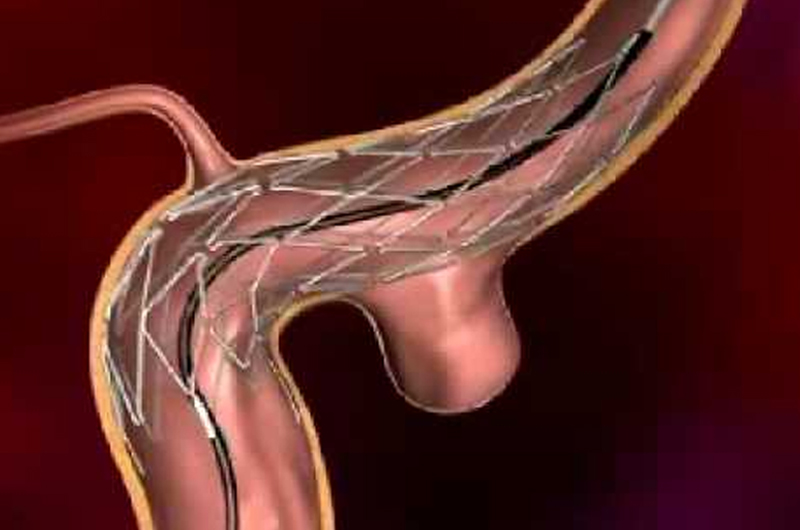
A transjugular intrahepatic portosystemic shunt (TIPS) enables bypass of part of the portal blood straight to the hepatic vein without going through the liver. This reduced the portal pressure drastically and reduces its sequelae like bleeding or ascites.
HOW DOES THE PROCEDURE WORK?
You will be either sedated for the procedure or given general anesthesia. The interventional radiologist will puncture a blood vessel on the right side of your neck (the internal jugular vein) with a needle and will then insert a vascular sheath over a wire into the inferior vena cava. They will take specially designed catheters and tubes to reach the hepatic vein. Then using customized equipment (special needles), the interventional radiologist will puncture the portal vein through the liver and position a wire between the two veins. After the area between them has been dilated, a stent or stent graft will be placed between the portal and hepatic vein to create a lasting connection/shunt.
What are the risks ?
The major risk after the TIPS procedure is that the blood that was going through the liver would now move unfiltered into the circulation. The main contaminant that is of significance is ammonia from the intestine which maybe delivered to the brain and may result in a condition called hepatic encephalopathy, the symptoms of which range from mild (alterations in thinking) to severe (confusion and coma).
Other potential complications include liver dysfunction due to its partial blood being shunted away from it or heart stress due to sudden increase in the amount and the pressure of the blood that it usually receives. Because a liver suffering from cirrhosis is shrunken and the liver tissue can be very hard, complications like bleeding or liver capsule puncture are also possible during the procedure. However, all these are very rare with the available techniques, guiding imaging modalities and technical expertise.
Due to the shunt, there is an increased amount of blood flowing directly to the heart, which can cause heart failure. If you experience this, your doctor will decrease the blood flow through the TIPS.